Beautiful Garden Decking Essentials
First Published April 16, 2025
Just like any building project, paying close attention to what lies beneath garden decking and its build quality, is as equally important as the final finish of any surface. In particular it’s important to remember that, failing to use a good quality deck tape, will significantly shorten the lifespan of a beautiful deck!
In this article we’ll take a look into the indispensable roll of deck tape, how it works, and why it’s an essential component for maintaining the integrity and longevity of decking projects.
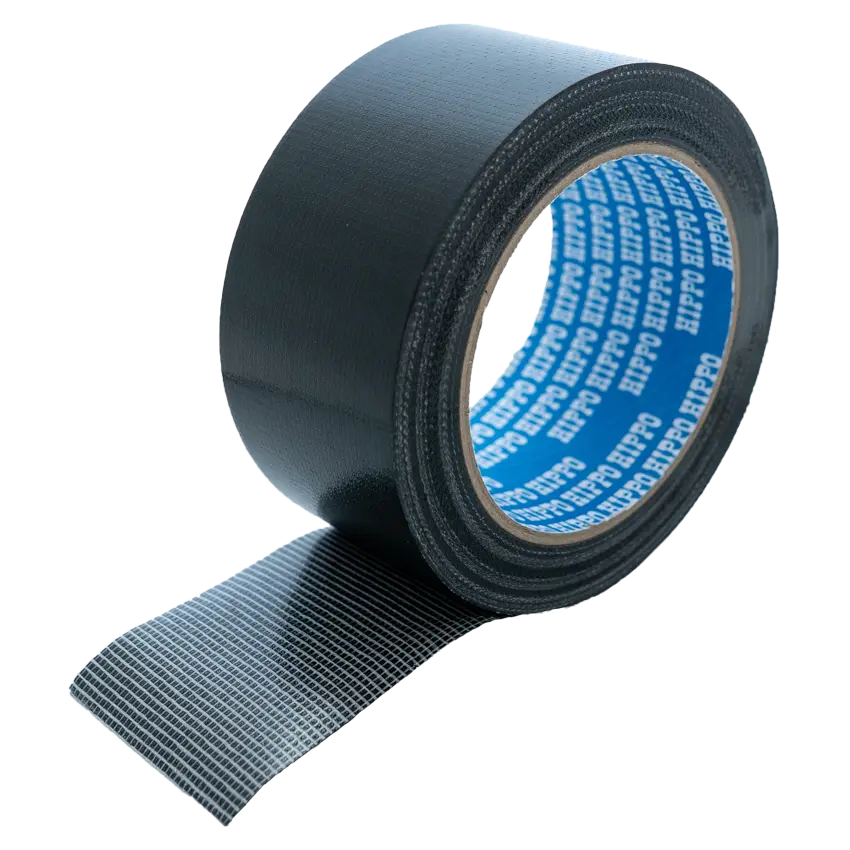
Deck Tape made by Hippo
What is Deck Tape
Deck tape or decking tape is also sometimes referred to as joist tape or joist flashing tape. This essential tape is specifically designed to seal and protect timber joists and in particular the substructure of garden decking.
Prevent Timber Wood Rot With Deck Tape
Deck tape is usually made from a mesh cloth fabric and comes with a high tack adhesive on one side that creates a permanent bond with timber. When applied to joists it creates a waterproof and weatherproof seal which still allows wood to “breathe”, whilst effectively sealing out moisture to prevent longterm wood rot.
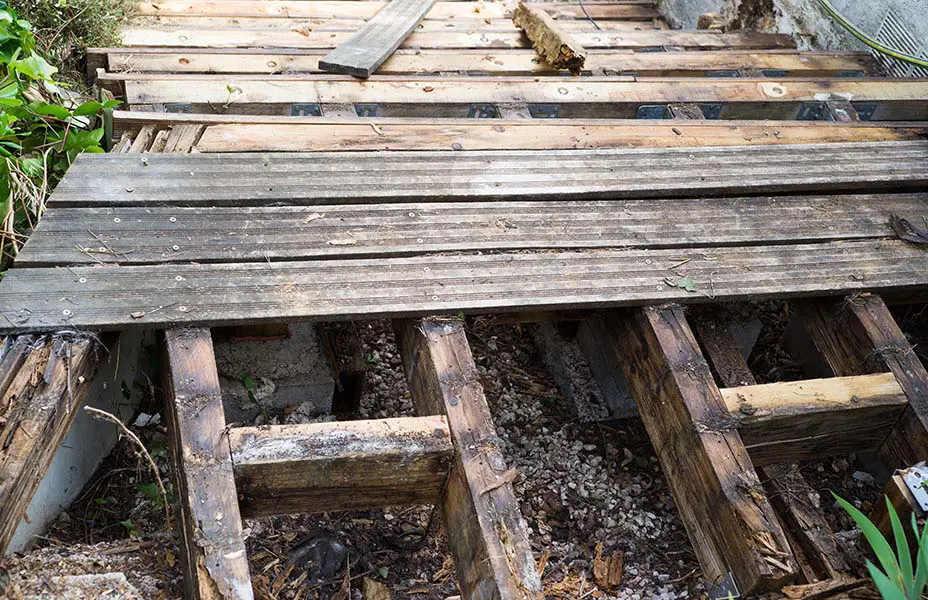
Rotten Garden Decking
Why Deck Tape is Crucial for All Garden Decking
Without a layer of deck tape the lifespan of your garden decking subframe is likely to be much shorter than that of the beautiful decking on the surface. Applying it to the top of joists creates an important weatherproof seal between the upper deck and the subframe.
This protective layer allows the waterproof tape to prevent any trapped water from collecting on top of flat surfaces below the decks surface. As a result these important load bearing timbers won’t become permanently soaked with water during wet periods and winter months. All of which means they’ll last much longer and be less likely to suffer wood rot.
Composite Decking Boards
If you are using composite decking boards then a layer of deck tape is even more important. This is because while these water-resistant materials allow water to quickly drain away much more easily. So rather than evaporating on the surface, water is far more likely to seep between board gaps and absorb into the timber substructure below.

Apply deck tape to the top of joists
How to use Deck Tape
Using deck tape is a simple process that should be completed after assembling the subframe of your project and before laying the deck boards. As you can see in the picture above, it should be applied along the top of each joist to form a cap.
Before you begin ensure that your timbers are clean, dry, and debris free and that the width of your chosen tape covers the entire width of each joist. Decking tape is usually available in 50mm or 75mm widths and it doesn’t matter if the tape is slightly wider than the joist. When you’re ready firmly press the tape onto the wood ensuring a strong adhesive bond, you can do this by hand or with a roller.
Then repeat the above process across every joist, ensuring tape is applied in a continuous strip along the full length of each joist. If a join is required always overlap the ends.
Important: Do not completely wrap timbers in tape. Doing this will prevent them from being able to “breathe”, which inevitably leads to timber warping and accelerated deterioration, again reducing the lifespan of your deck.
Furthermore we also recommended applying deck tape to cut ends in your timber subframe. That’s because these are a weak spots where moisture can still enter, so taping these provides a extra level of protection.
Conclusion – Simple But Indispensable Tape
In conclusion, using deck tape may seem like a small detail in the grand scheme of garden decking, but its importance cannot be overstated.
By protecting timber substructures from water and the elements, it plays a essential role in preserving the lifespan of your decking. So by investing in a few rolls of this simple but indispensable tape, you’ll deliver a professional job done and benefit from long lasting results.
For more information about working with timber and similar materials, why not take a look at our guide about how to choose the best glue for wood.