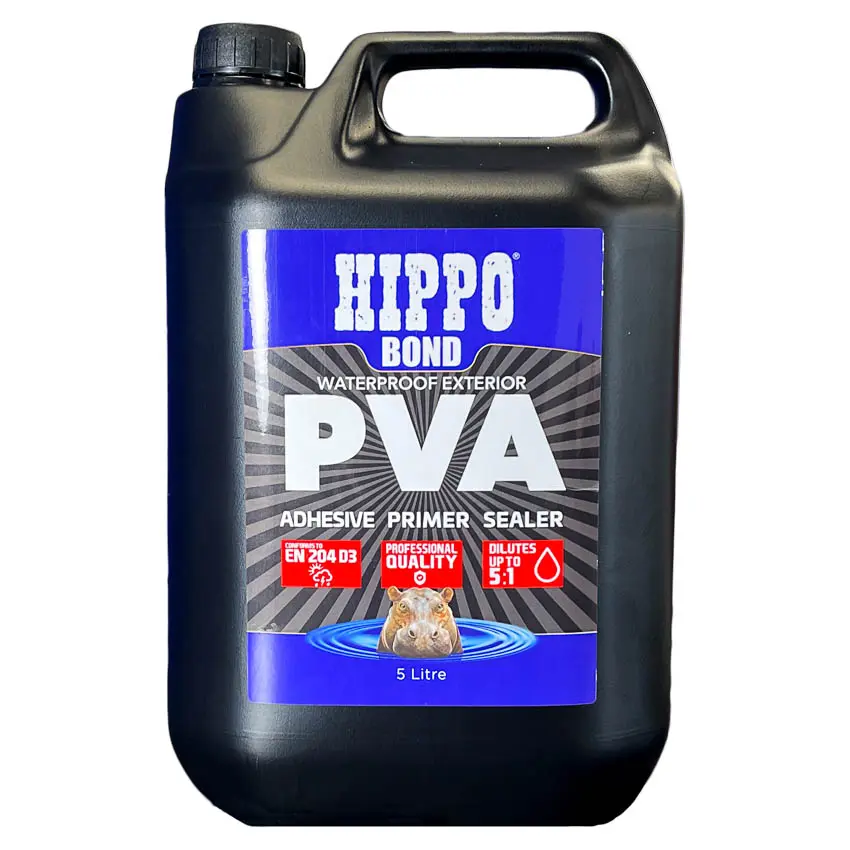

Does PVA Glue Dry Clear?
The universal uses of PVA mean that it is often chosen for all manner of creative, practical and DIY projects. For this reason users frequently ask the question does PVA glue dry clear?
Even though PVA is generally white in colour when wet, for most applications in normal conditions it does in fact dry clear. But there are certain times when it might not. By contrast, in some circumstances it can dry with a light milky white colour. So lets take a quick look at when and why this might happen.
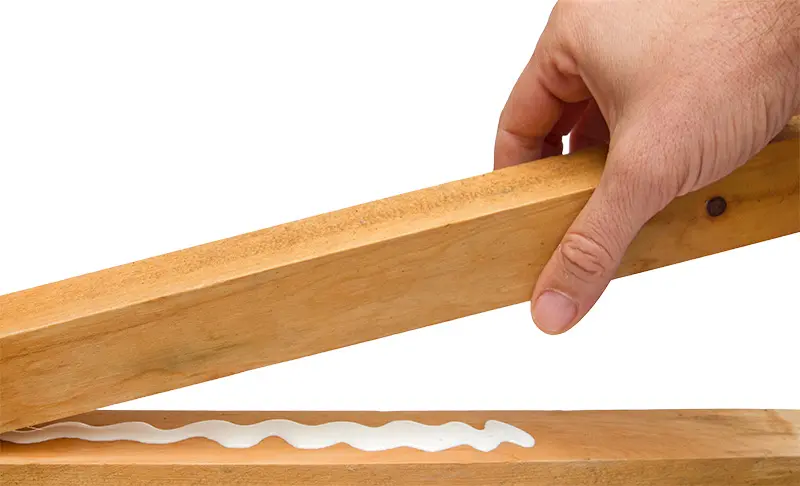
PVA glue is generally white in colour when wet
Why does PVA Dry Clear?
White PVA glue is water soluble and dries by evaporation. It’s made from a synthetic polymer called polyvinyl acetate (PVA) which turns clear, once all the moisture content has fully evaporated. As water vaporises a transparent film forms as the remaining ingredients solidify. Consequently this film allows light to pass through without scattering, thereby appearing clear when completely dry.
PVA dries best when there is good air circulation and sets fastest at room temperatures, with low humidity. On the other hand, on occasions when PVA is used in cooler environments, you might end up with a light milky white colour.
Why does PVA Dry Cloudy?
The reason why PVA dries cloudy nearly always relates to being in low temperatures. It simply takes much longer to dry in cold rooms because the water content can not evaporate completely. Consequently this results in a milky white look and reduced bond strength.
Here are a few simple ways to make sure your PVA dries clear:
- Use the product sparingly
- Work in warm indoor rooms
- Ensure good air circulation – for example use fans to direct air flow
- Avoid high levels of ambient humidity
- Avoid using it in cold environments
- Don’t exceed the manufacturers recommendations
- Do not store PVA adhesives in cool locations at risk from frost
If for some reason you need to work in a cooler climate, then the best way to avoid developing cloudy glue, is to leave no trace and be patient. Always use PVA glue sparingly, in small amounts and wipe away spills while they are still wet.
Furthermore it is worthing noting that most good branded PVA glue formulations contain special additives to enhance clarity and reduce visibility why dry.
Does White Glue Contain Casein?
Historically basic white glue was always formulated from water, alkalis, and something called casein. For making glue Casein is extracted from natural cows milk and subsequently provides white colouring. Accordingly this helped establish the generic name “white glue” and famously inspire the original cow logo on Elmer’s glue.
Casein inspired the Elmer’s glue cow logo
Casein based glues were popular for woodworking before the end of the 20th century because they are non-toxic, just like PVA. In the past they were also economical to use. This being said, nowadays most white glues (including Elmer’s) are made from PVA, which is a more up-to-date technology. As well as being vegan and drying clear, PVA glues offer much better performance qualities.
Further Reading
If you still have questions, then why not read this article about what is PVA glue. Or for more information about wood glues, please check our product guide about how to choose the best glue for wood.