
What is PVA Glue?
Last Updated:
Wednesday, December 11, 2024
This incredibly useful product is low cost, safe, and easy to use, but what is PVA glue? Lets take a quick look at what lies behind this apparently simple product, that’s so broadly used by hobbiests, carpenters and DIYers.
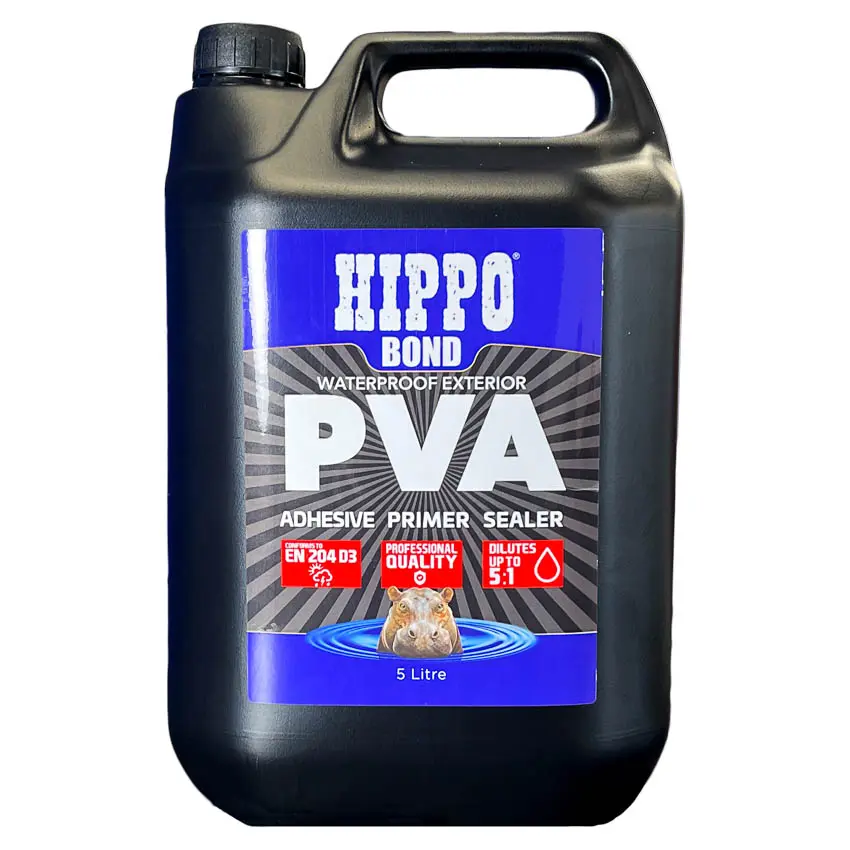
PVA is short for Polyvinyl Acetate and is commonly referred to as wood glue, PVA glue, white glue, carpenter’s glue, and school glue. However it is worth noting that each of these terms could also refer to other types of glue.
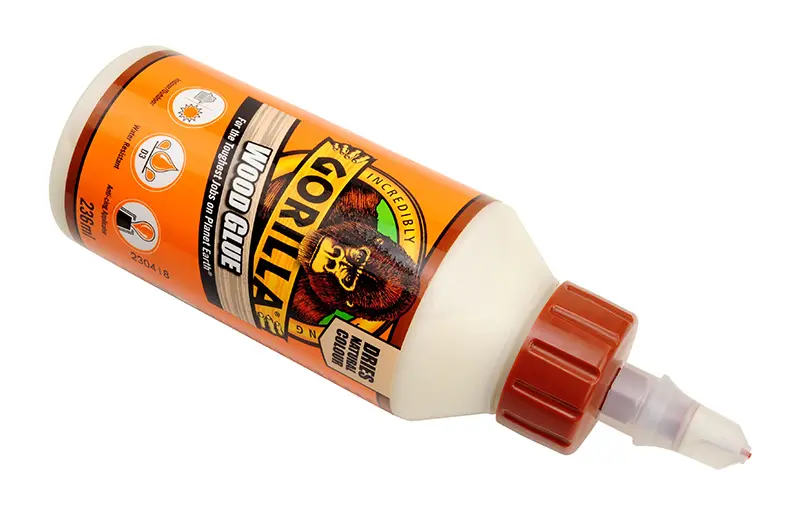
Bottle of Gorilla PVA wood glue
Top Facts About PVA Glue
Polyvinyl Acetate, which is the main chemical component of PVA, was discovered in Germany by chemist Fritz Klatte in 1912. Nowadays it is widely available and great for gluing porous materials like wood, paper, and cloth. Consequently it’s become the natural choice for all manner of creative, practical and DIY projects. This is because PVA is:
- Water soluble
- Only suitable for porous materials
- Non toxic
- Of neutral pH (Neither acidic or alkaline)
- Available in water resistant versions
- Slightly flexible
- Low cost
PVA dries when there’s good air circulation and sets fastest at room temperature. Furthermore when used to glue wood, it can in most cases deliver bond strength that is generally stronger than the wood itself!
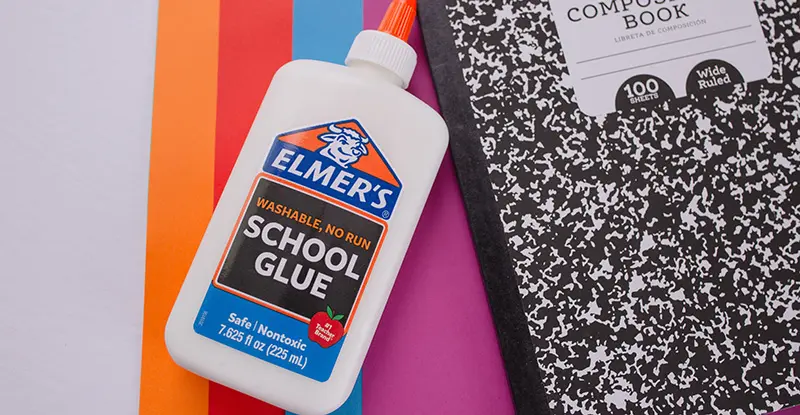
Bottle of Elmer’s PVA school glue
The Universal Uses of PVA
So what can PVA glue be used for? Well among its many uses, it is particularly useful for gluing porous materials. Especially things like wood, paper and cloth. So for these reasons PVA glue is most often used for:
- Permanently bonding wood
- Sticking paper card and cork
- Gluing fabric and leather
- Bookbinding
- As a drywall primer
- Dust sealing
- Admixing with cement and plaster
Can You Add Water to PVA?
PVA is soluble in water which means that different levels of dilution can be applied for dissimilar results. For example a mixture of 50/50 PVA and water makes a very good sealant for plaster; preparing it for painting or wallpapering. You can also use PVA as an interior varnish, plus its perfect for making papier mache.
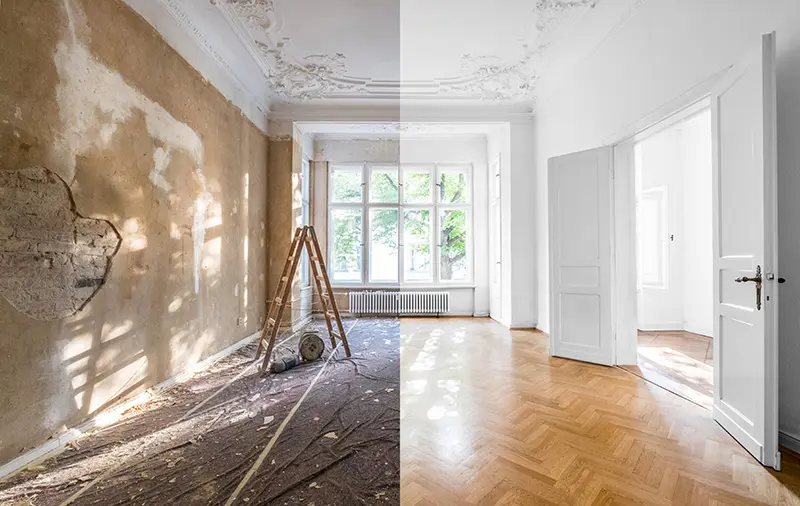
You can use PVA to help restore old plaster.
Can PVA be Used to Fill Wood?
You can even use PVA as an adequate wood filler, by adding sawdust to it. This works particualry well when combined with yellow versions of the product. These are are often labeled Carpenter’s Glue… but this is still PVA. In fact, there are many specialist PVAs, but the core chemistry is much the same.
Different Types of PVA Glue
The main differences between various brands and versions of PVA glue, often boil down to three things. These are; product density or solids content, levels of water resistence, and colour. As a result these characteristics respectively have an impact on the final results of your project. So choose your PVA with this in mind.
Are all Wood Glues Simply Just PVA?
In short the answer is no. Thanks to confusing product packaging, its easy for shoppers to sometimes assume that all bottles of wood glue are merely types of PVA. However there are many different types of glue for wood. In particular some adhesives for wood, whilst sharing certain characteristics with PVA, are often made from a type of Aliphatic resin.
Aliphatic Wood Glues
There are two main differences between aliphatic and PVA glues. Aliphatic glues generally offer better heat and water-resistance. On the contrary basic PVA’s provide neither of these things, however type 2 PVA adhesives are water resistant. Therefore aliphatic wood glues are generally much stronger, but they are also considered unsuitable for outdoor use.
Further Reading
For more information on the European standards for wood glue durability and to learn more about the different types of glue for wood. Please refer to our product guide about how to choose the best glue for wood on this link.